
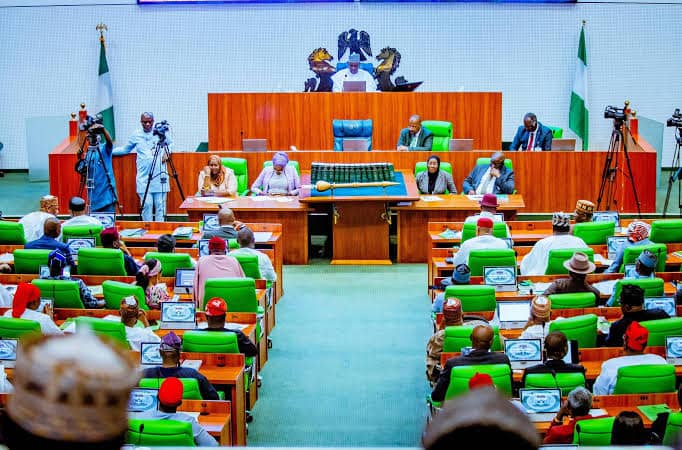

The House of Representatives has uncovered 58 bank accounts allegedly connected to the detained Director-General of the purported Presidential Foreign Intervention Promotion Council, Prince Adeniyi Adeyemi, amid an investigation into the controversial organisation.
The development was disclosed in Abuja on Wednesday by the Chairman of the House Ad Hoc Committee investigating the council, Yusuf Gagdi, while presenting the panel’s preliminary findings to parliamentary correspondents.
According to Gagdi, preliminary information obtained from financial and investigative agencies showed that Adeyemi’s Bank Verification Number and other identification details were linked to several personal, corporate, organisational and foundation accounts.
He said more than 30 of the accounts appeared to be operated in the names of about nine entities allegedly associated with Adeyemi. The committee is currently examining their registration records, ownership structures, signatories and transaction histories.
The panel also raised concerns over an alleged N400m transaction involving a company which reportedly paid the money in four instalments after Adeyemi allegedly claimed he could secure a contract for the renovation, furnishing or improvement of an official residence purportedly allocated to him as PFIPC Director-General.
Gagdi said the committee was tracing the funds and investigating the identities of the account holders and beneficiaries, stressing that the allegations could constitute offences if established by competent investigative and judicial authorities.
Beyond the financial transactions, the lawmakers said their investigation found no valid legal instrument establishing the purported council. Gagdi said the panel found no Act of the National Assembly, gazetted enactment or presidential executive order creating the PFIPC.
The committee further alleged that documents used to establish the organisation’s authority, including a purported presidential appointment letter, Executive Order and National Assembly Act, showed signs of fabrication, forgery, mutilation or unauthorised representation.
Gagdi said the State House had confirmed that the purported appointment letter bearing the name of the Chief of Staff to the President, Femi Gbajabiamila, was neither issued nor signed by him.
The committee consequently cleared Gbajabiamila of involvement in the establishment or activities of the organisation, saying evidence showed that he contacted security and investigative agencies after receiving alerts about the purported council.
The lawmakers also raised concerns over the organisation’s alleged use of government accommodation, official-looking vehicle number plates, the names and photographs of President Bola Tinubu and other senior officials, as well as the representation of about 39 people as its employees.
Gagdi said the panel had recommended that government ministries, departments and agencies stop recognising or granting official privileges to the organisation until its legal status was independently verified.
He added that financial institutions and relevant investigative agencies should preserve account records and transaction details linked to the persons and entities under investigation, while criminal and financial probes should be concluded expeditiously where necessary.
The committee chairman stressed that its findings remained preliminary and did not amount to a determination of criminal guilt, which could only be established by a court of competent jurisdiction.
He said the final report would be presented to the House after its annual recess, adding that the lawmakers would then decide whether to adopt, amend or reject the recommendations.