
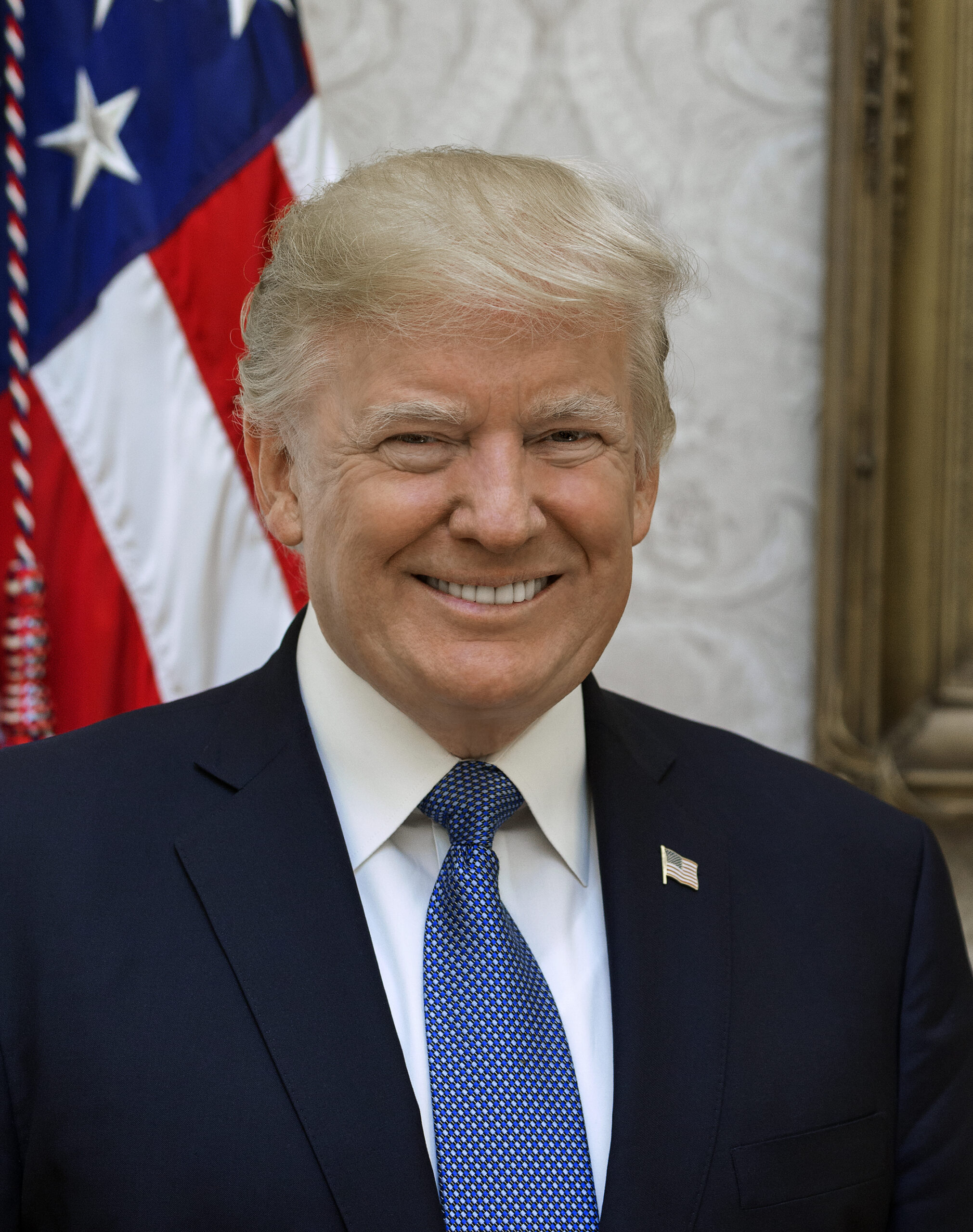

United States President Donald Trump has stirred controversy after suggesting that New Mexico should be renamed “New America,” a proposal swiftly rejected by the state’s governor.
Trump made the suggestion on Sunday in a social media post, continuing his recent push for changes to the names of prominent American landmarks.
“Many people suggested changing the name of New Mexico… to NEW AMERICA,” the US President wrote. He described the proposed name as more prestigious and beautiful for what he called a potentially incredible state.
The White House subsequently shared an image in which the word “Mexico” in New Mexico was crossed out and replaced with “America.”
However, New Mexico Governor Michelle Lujan Grisham dismissed the proposal, saying the state’s name was not open for discussion.
Speaking with Fox News, the governor said New Mexico had carried its name from a period before the United States itself came into existence.
She also accused Trump of attempting to divert public attention from pressing economic concerns, including rising petrol prices.
The latest proposal comes days after Trump suggested another controversial geographical name change by backing the renaming of Lake Ontario as “Lake America” amid heightened tensions with Canada over trade.
Canada has rejected the proposed name, while reports in some United States media suggested that the New Mexico idea may have originated as an internet hoax before Trump amplified it.
Trump has made several other naming proposals since returning to the White House.
Last week, amid the ongoing conflict involving Iran, he floated the idea of renaming the Strait of Hormuz as “Trump Strait,” although he later appeared to indicate that he was not being entirely serious.
In 2025, shortly after beginning his second term, Trump ordered the renaming of the Gulf of Mexico as the “Gulf of America.” Mexico rejected the move, while the new name has been adopted in some official US contexts.
The latest proposal has nevertheless been met with resistance in New Mexico, where the governor maintained that the state’s historic name would remain unchanged.