
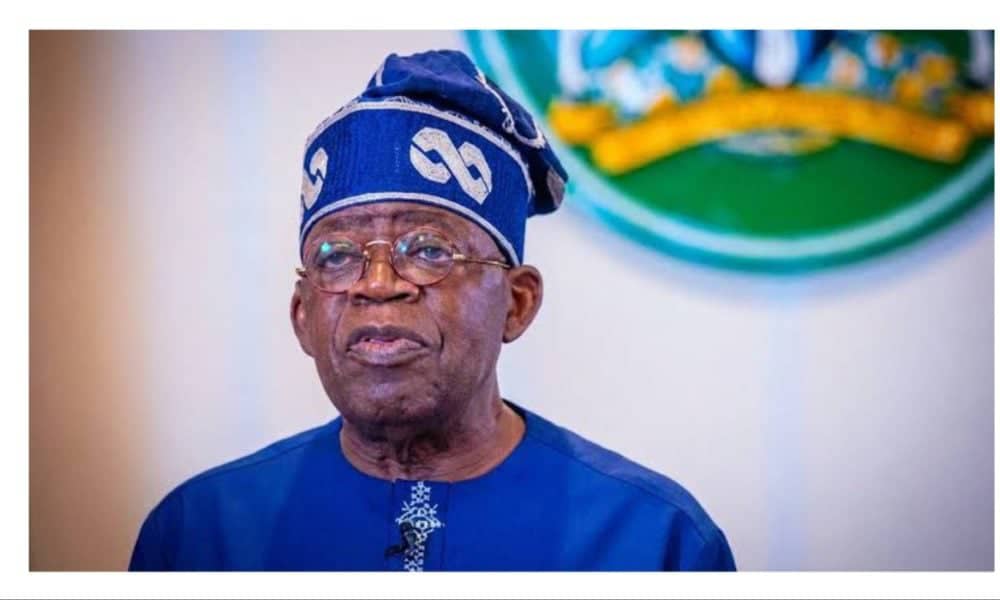

President Bola Tinubu, in his Independence Day address to Nigerians on Thursday, outlined his administration’s economic priorities and highlighted what he described as progress recorded since the implementation of his reforms.
Here are five major points from the President’s 66th Independence Anniversary address:
1. Nigeria’s economy showing signs of recovery
Tinubu said the Nigerian economy grew by more than four per cent in 2026, with both the oil and non-oil sectors contributing to the growth.
He also cited declining oil theft, a significant fall in inflation from its peak, improved foreign reserves and greater stability in the foreign exchange market as evidence of progress.
The President added that Nigeria earned more than $6bn from non-oil exports in 2025, describing it as the highest figure recorded by the country.
2. Tinubu defends economic reforms
The President defended the economic measures introduced by his administration, saying they were necessary to address longstanding weaknesses in the Nigerian economy.
He compared the situation to the treatment of a serious illness, arguing that difficult measures were required to restore the country’s economic health.
Tinubu maintained that the reforms did not create Nigeria’s economic problems but were introduced to tackle them. He also rejected calls for a return to subsidy arrangements.
3. Next phase focused on prosperity
According to Tinubu, Nigeria has moved beyond the phase of economic adjustment and is entering a period focused on achieving broader prosperity.
He said economic progress should not be judged only by statistics but by its impact on ordinary Nigerians, including farmers, workers, manufacturers, entrepreneurs and young people.
The President said the government’s priority was to ensure that the benefits of economic growth reach more Nigerians.
4. Government targets lower cost of living
Tinubu said reducing the cost of producing and transporting goods would remain a major priority of his administration.
He listed increased irrigation, dry-season farming, access to improved seeds and fertiliser, agricultural mechanisation, storage facilities and better transportation as measures being pursued to strengthen food production.
He also said investments in roads, railways and ports would help connect farms and factories with markets more efficiently.
5. Jobs, industries to dominate next phase
The President said Nigeria’s youthful population would be central to the country’s next stage of economic development.
He said the government would continue to promote job creation, entrepreneurship and industrialisation while supporting businesses to expand production.
Tinubu added that his administration would deploy gas to power industries, improve digital connectivity, invest in skills and provide infrastructure and financing to help Nigerian businesses produce more for both domestic and international markets.